
Measure once, cut twice
Saving electricity is easy if you know where you’re wasting it. The key is to measure and understand your usage, and cut wherever you see waste. You don’t have to live in the dark to shave dollars off your electricity bill.
This section covers a number of electricity saving options, I have other sections that deal with the energy use of household appliances (most of which are electric), as well as information on energy efficient lighting and energy efficient cooling. In the pages of this section on saving electricity you’ll find information on:
- How to save electricity: tips you can use to start saving electricity right away
- The Kill A Watt Meter, a great tool you can use to measure the consumption of anything you can plug into a wall socket. You might be in for a surprise here. I lent my Kill A Watt Meter to a neighbor who discovered her coffee maker was drawing power all day long, for one pot of coffee!
- Negawatts, a concept coined in 1989 to describe the positive value of saved electricity
- Solar electricity for homes, including grid-connected and grid-free systems
- How much does electricity cost? Prices by US state range from a low around 8 cents per kWh to a high of 28 cents! How does your local rate compare?
- Solar power pros and cons, covering both solar electric and solar heating systems
- Green electricity, which is generated from non-polluting sources such as wind, small-scale hydro, and solar power. I have bought my electricity from a green provider for the last six years.
- Is an energy saving capacitor really going to save you money and electricity, or are these devices a scam?
In a nutshell, here’s how I suggest you reduce your electricity use.
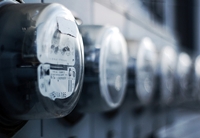
First, understand how much electricity you’re using in your house, and specifically for what purposes. Make a list of everything that’s plugged in, measure or estimate its consumption, and figure out how often it’s on.
Once you have measured or guessed everything, look for items that are using more electricity than you would expect, or more than you’re willing to pay for. Can the device be replaced with a newer, more efficient one? Can it be repaired to be more efficient? Could you plug it in only when you really need it? Do you need it at all?
It doesn’t matter if the savings are tiny. You’re going after incremental improvements. That cable modem may be costing you $12 a year to keep on all the time, but you might only be using it in the evening. Is it worth switching it off when you go to bed each night, just to save half that $12?
You might not think so, but twenty or fifty little habits like this, once they become automatic, will add up to big savings without disrupting your life.
Change your thinking to accept a little discomfort or inconvenience for a lot of savings. If the American way of life is non-negotiable for you, you won’t be as successful at cutting your energy use. If you’re willing to bend over every so often and turn an energy saving power bar on or off, or unplug the coffee maker once you’ve had your cuppa java, the savings will start to add up.
Some of the main sources of energy waste in your house, other than lighting and household items, are the following, covered in more detail in How to save electricity:
- AC to DC converters: small drain all day
- Devices that can be operated by remote control: continuously wasting electricity waiting for your command
- TVs with instant-on features: keeping the screen warm and ready doesn’t come free
- Anything with a digital clock on it: ticking away though no one’s watching
- Some cheap personal computers: ones that are built with energy-wasting power systems
I cover all this in more detail in How to save electricity. Find out how my family went from being relatively low energy users (about a third the electricity consumption of the average household in our area) to just one sixth the average, simply by measuring our electricity use and cutting out the waste.
Leave a Reply
Want to join the discussion?Feel free to contribute!